Complete guide to HVAC installation
Everything you need to know about HVAC installation costs, system types, timeline, permits, and choosing the right contractor.
Key takeaways
National Average
Most installations
With proper maintenance
Required in most areas
Table of contents
1. Signs you need a new HVAC system
Not sure if your HVAC system needs replacement or just a repair? Here are the most common signs that it's time for a new system:
2. HVAC installation costs by system type
Costs vary based on the type of system and complexity of installation. Below is a comparison of typical HVAC installation budgets:
| System | Cost Range |
|---|---|
| Central AC | $4,000–$8,000 |
| Furnace | $3,000–$7,000 |
| Heat Pump | $5,000–$12,000 |
| Full System | $8,000–$15,000 |
Pro tip
Ask about available rebates and tax credits. Many utility companies offer rebates for high-efficiency systems, and federal tax credits of up to $2,000 are available for qualifying heat pumps and energy-efficient equipment.
3. HVAC system types
Choosing the right system type depends on your climate, existing infrastructure, and energy goals. Here are the main options:
Central air
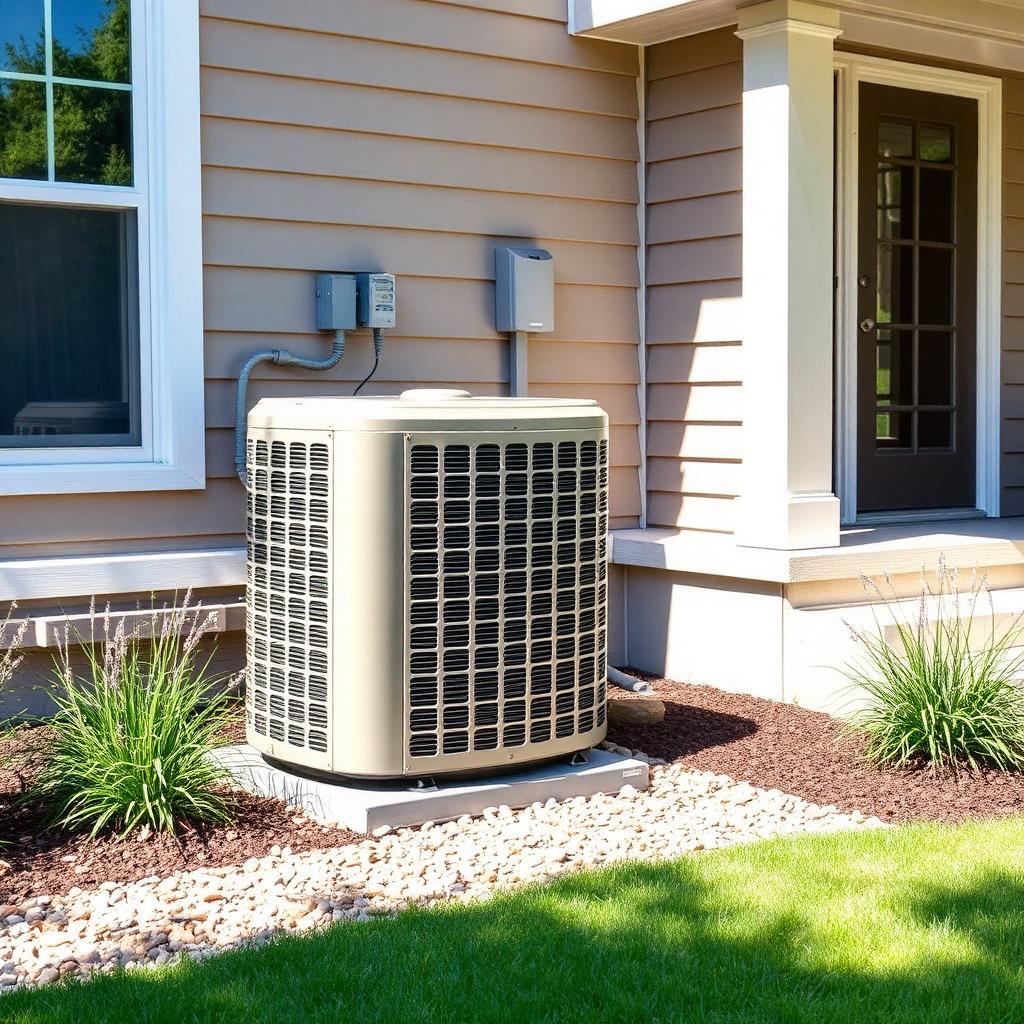
The most common cooling system in American homes. Uses ductwork to distribute cooled air throughout the house. Best for homes with existing ductwork. Modern units achieve SEER ratings of 15–22+ for excellent efficiency.
Heat pumps
Heat pumps provide both heating and cooling in one system by transferring heat rather than generating it. Highly efficient in moderate climates and increasingly effective in cold climates with modern cold-climate models. Eligible for significant federal tax credits.
Furnaces
Gas furnaces remain the primary heating system in colder regions. Modern condensing furnaces achieve 95–98% AFUE ratings, meaning nearly all fuel is converted to heat. Electric furnaces are cheaper to install but more expensive to operate in most markets.
Ductless mini-splits
Individual wall-mounted units that provide heating and cooling without ductwork. Ideal for room additions, older homes without ducts, or zoned comfort. Each indoor unit operates independently for precise temperature control.
4. HVAC installation process: step by step
Understanding the process helps you prepare and ensures you get a quality installation. Here's what to expect:
Assessment & sizing
A qualified technician performs a Manual J load calculation to determine the correct system size for your home based on square footage, insulation, windows, and climate zone. Oversizing or undersizing both cause problems.
System selection
Choose between central AC, heat pump, furnace, or a complete system based on your climate, existing infrastructure, and budget. Discuss SEER/AFUE ratings for energy efficiency.
Permits & scheduling
Your contractor pulls mechanical permits required by your municipality. Installation is scheduled, typically 1–3 days depending on the system type and any ductwork modifications needed.
Installation
Old equipment is removed. New system is installed including indoor and outdoor units, refrigerant lines, electrical connections, and thermostat. Ductwork is modified or sealed as needed.
Testing & commissioning
System is charged with refrigerant, airflow is measured at each register, thermostat operation is verified, and a final inspection is scheduled. You receive warranty documentation and maintenance instructions.
5. How to choose an HVAC contractor
HVAC installation quality directly impacts system efficiency and lifespan. Use this checklist to vet candidates:
6. Permits & inspections
HVAC installations almost always require permits. Here's what you need to know:
When is a permit required?
Mechanical permits are required for virtually all HVAC installations: replacing equipment, adding new systems, modifying ductwork, or changing fuel types. Only minor repairs and filter replacements are exempt. Your contractor should pull the permit before starting work.
Permit costs
HVAC permits typically cost $100–$500 depending on your municipality. The permit ensures proper installation, safe gas/electrical connections, and correct venting. Your contractor should include permit costs in their estimate.
Inspections
A mechanical inspection verifies proper equipment sizing, safe gas line connections, correct electrical wiring, proper venting and exhaust, and adequate clearances. This typically happens within a few days of installation completion.
Warning: Unpermitted HVAC work voids warranties
Most manufacturers require permitted installation to honor equipment warranties. Unpermitted work also creates liability issues and can complicate home sales. Always verify your contractor pulls the required permits.